





Planning a trip to Greece from Canada means timing matters. You want warm weather, manageable crowds, and good value without sacrificing the experiences that drew you there in the first place. The right month shapes everything from flight prices to how long you can comfortably explore ancient sites.
The best time to visit Greece from Canada is late May to early June or September, when you get warm weather, swimmable seas, and fewer crowds at more reasonable prices. These shoulder-season months balance sunshine and comfort, especially if you plan to combine island time with sightseeing in Athens or other historic areas.
If you prefer peak beach weather and a lively atmosphere, summer delivers heat and energy but also higher costs. If you value mild temperatures for exploring ruins and cities, spring and fall give you better conditions. Understanding Greece’s seasonal climate and knowing how to prepare as a Canadian traveler will help you choose dates that match your priorities.
Greece follows a classic Mediterranean climate, but conditions shift noticeably by month and region. Temperature, rainfall, sea conditions, and visitor volume all shape the experience you can expect.
You encounter the hottest and busiest conditions from July through August. Daytime temperatures in Athens and many islands often reach 30–35°C, and heatwaves can push higher.
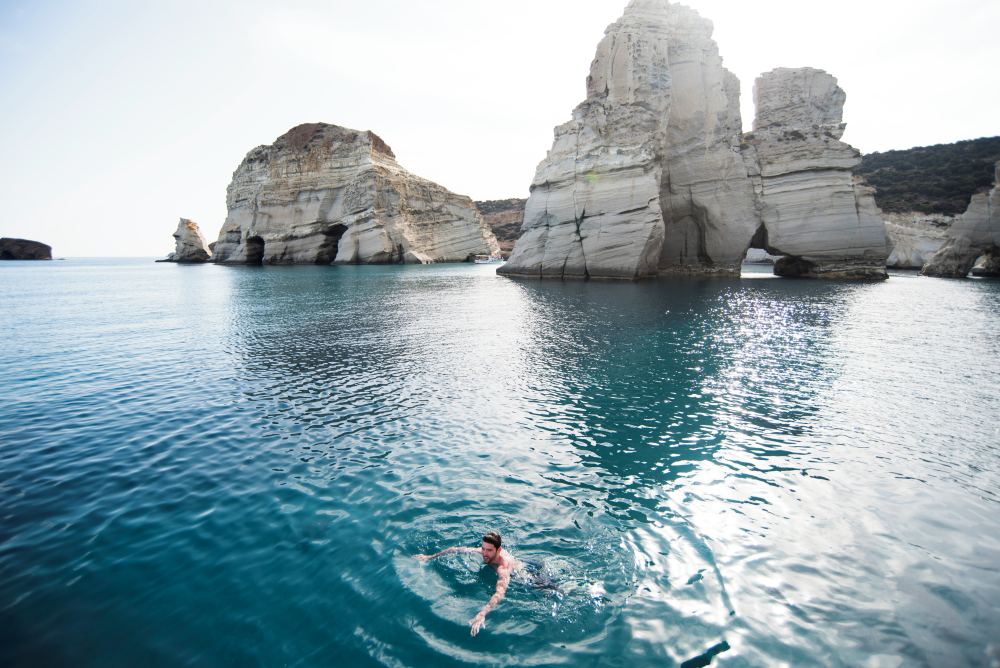
The sea stays warm, typically above 23°C, which makes swimming comfortable across the Aegean and Ionian coasts. Rainfall remains minimal, and you can expect long daylight hours.
However, this period brings peak crowds and the highest prices. Popular islands such as Santorini and Mykonos operate at full capacity, and ferries, tours, and accommodations book out well in advance.
Late June and early September also see strong demand, though temperatures feel slightly less intense. If you prefer lively nightlife, full restaurant operations, and busy beaches, this window delivers consistent weather and activity.
You find the most balanced conditions in May–June and September–October. Temperatures typically range from 20–28°C, and the sea remains warm enough for swimming, especially in September.
These months offer manageable crowds and more stable pricing. You can explore archaeological sites without extreme heat, and you avoid the congestion common in midsummer.
From November through March, Greece enters its off-peak season. Daytime temperatures in Athens often sit between 10–17°C, while many islands scale back ferry schedules and tourism services.
Rainfall increases during winter, especially in western Greece. Snow appears in mountainous regions, but coastal areas rarely see it. If you focus on cultural sites, museums, and city travel, winter provides quieter conditions and lower accommodation rates.
Climate varies significantly by region, which affects how you plan your trip from Canada.
Mountain areas, including parts of mainland Greece, experience cooler temperatures year-round and measurable winter snowfall. Islands benefit from seasonal winds such as the Meltemi, which cools the Aegean during midsummer but can affect ferry schedules.
You should match your destination to your weather tolerance, swimming plans, and sightseeing priorities.
Plan your documents, flights, and route before you book accommodations. Greece welcomes Canadian travellers, but timing, airfare patterns, and a clear itinerary shape your costs and experience.
You can enter Greece for up to 90 days within a 180‑day period without a visa if you hold a valid Canadian passport. Your passport should remain valid for at least three months beyond your planned departure from the Schengen Area.
Greece is part of the Schengen Zone, so time spent in other Schengen countries counts toward your 90‑day limit. Border officers may ask for proof of onward travel, accommodation details, and evidence of sufficient funds.
Starting in 2026, Canadians must obtain an approved ETIAS travel authorization before departure. Apply online prior to travel and carry confirmation with you.
You should also purchase travel medical insurance that covers emergency treatment and repatriation. Canadian provincial health plans offer limited or no coverage overseas.
You find the most direct flight options from Toronto (YYZ) and Montreal (YUL) to Athens (ATH), especially from late May through September. Some routes operate seasonally and may not run in winter.
Average round‑trip fares from major Canadian hubs typically range:
| Season | Typical Price Range (CAD) |
|---|---|
| May–June | $900–$1,300 |
| July–August | $1,200–$1,800 |
| September–October | $850–$1,200 |
| November–March | $750–$1,100 |
Summer brings higher demand and limited award seat availability. Book 3–6 months in advance for peak season travel.
If you depart from Vancouver, Calgary, or Ottawa, expect one connection through Toronto, Montreal, or a European hub such as London, Paris, or Frankfurt. Overnight eastbound flights help reduce jet lag, but you should plan a lighter first day in Greece.
If you have 7–10 days, focus on Athens and one island. Spend 2–3 days exploring the Acropolis, Plaka, and nearby sites such as Delphi, then fly or ferry to Crete, Naxos, or Santorini.
With 10–14 days, combine Athens with two islands or add mainland highlights like Meteora. Choose islands within the same group, such as the Cyclades, to reduce ferry time.
For two weeks or more, include Crete or the Peloponnese for a slower pace and fewer crowds outside peak summer. Spring and early fall suit archaeological sites and city touring, while June through September offers the warmest sea temperatures for swimming.
Book inter‑island flights early in summer. Ferry schedules expand from May to September but run less frequently in winter.
📩 Ask us to design your 2026 Greece journey — where history becomes part of your holiday.