




Step into a journey where ancient legends meet sunlit islands across Athens, Mykonos, and Crete. In just eight days, you move from the Acropolis and myth-filled temples to whitewashed villages, vibrant waterfronts, and the storied ruins of Minoan civilization.
This 8-day, 7-night itinerary shows you how to experience Greece’s most iconic history, culture, and island landscapes in one well-paced trip. You explore world-famous landmarks, walk through living neighborhoods, and balance guided discovery with time to enjoy the sea and local cuisine.
Expect a clear plan that highlights essential sites, meaningful cultural moments, and practical travel details that help you use your time well. You gain a focused path through Greece’s myths and marvels without feeling rushed.
This 8-day journey moves from the ancient landmarks of Athens to the whitewashed lanes of Mykonos and the deep history of Crete. You balance guided sightseeing with free time, combining archaeology, coastal scenery, and local food.
Your trip begins in Athens, where you spend two nights exploring the capital’s classical core and modern neighborhoods. Expect a guided visit to the Acropolis and time to walk through Plaka and Monastiraki.
You then travel by ferry or short flight to Mykonos for two nights. The island’s compact size makes it easy to explore beaches, Little Venice, and the famous windmills without long transfers.
The final leg takes you to Crete, Greece’s largest island, for three nights. Most itineraries focus on Heraklion and the surrounding region, including the Palace of Knossos and coastal towns.
International departure typically routes back through Athens. This structure keeps travel efficient while giving each destination enough time to explore in depth.
Athens centers on history. You walk through the Acropolis complex and stand before the Parthenon, then view key artifacts at the Acropolis Museum. Many itineraries also include a panoramic city tour that passes Syntagma Square and the Temple of Olympian Zeus.
In Mykonos, you shift from ancient ruins to island life. You explore Mykonos Town’s narrow streets, see the windmills above Chora, and enjoy waterfront dining. Optional excursions may take you to nearby Delos, an important archaeological site in the Cyclades.
Crete adds another layer of myth and history. At Knossos, you learn about Minoan civilization and the legend of the Minotaur. You also experience Cretan cuisine, local olive oil, and coastal scenery that differs from the Cyclades.
Details of inclusions and pacing align with the MYTHS AND MARVELS program.
Days 1–2 focus on arrival and guided touring in Athens. You spend structured time at major sites, balanced with independent meals and evening walks.
Days 3–4 transition to Mykonos. Travel occurs in the morning or midday, leaving time to explore Chora, relax on a beach, or join an optional excursion.
Days 5–7 take you to Crete. One day typically centers on Knossos and Heraklion, while others allow for coastal drives, village visits, or leisure time.
Day 8 covers departure. You transfer to the airport with a clear schedule and defined inclusions, so you know what transportation and services your package provides.
You walk through sites that shaped Western thought, maritime trade, and early urban life. Each stop connects myth, politics, and daily life through preserved temples, palaces, and sacred islands.
You begin at the Acropolis, the fortified hill that defines Athens. The Parthenon stands at its center, built in the 5th century BCE to honor Athena, the city’s patron goddess. Its Doric columns and precise proportions reflect the height of Classical Greek architecture.
Below the hill, you explore the Acropolis Museum, which displays original sculptures and friezes in controlled light and climate. Glass floors reveal excavated streets beneath your feet.
Walk to the Ancient Agora, once the civic and commercial heart of Athens. Philosophers debated here, and citizens gathered for political decisions. The well-preserved Temple of Hephaestus gives you a clear view of how a Greek temple once appeared.
You can also visit the Temple of Olympian Zeus, whose remaining columns show the scale of Roman-era Athens.
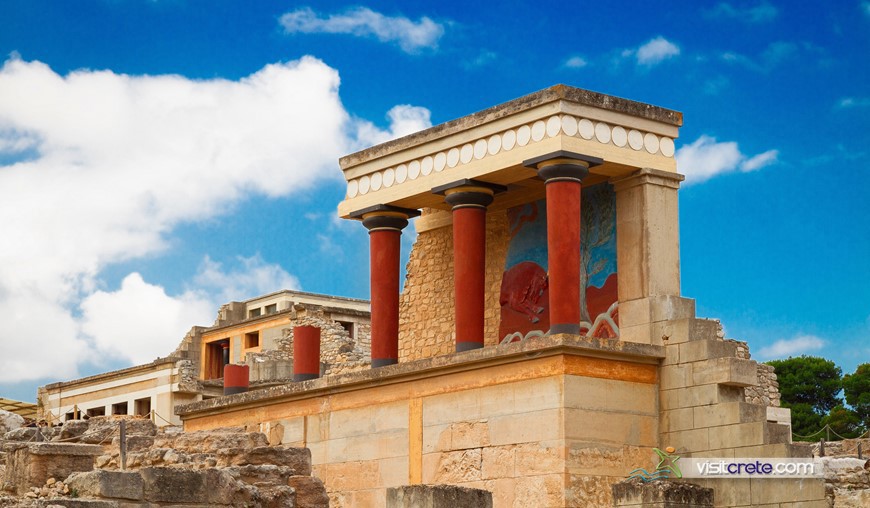
In Crete, you step into the world of the Minoans, one of Europe’s earliest advanced civilizations. The Palace of Knossos, near Heraklion, dates back to around 1900 BCE and reveals a complex layout of courtyards, storerooms, and ceremonial spaces.
Archaeologists link Knossos to the legend of the Minotaur and the Labyrinth. Frescoes depict daily life, rituals, and marine scenes, offering insight into Minoan culture.
You can continue to the Heraklion Archaeological Museum, which houses original artifacts from Knossos and other Cretan sites. Key pieces include:
At Phaistos, you find another palace site with broad views over the Messara Plain. Its open layout helps you understand how Minoan cities organized trade and agriculture.
Mykonos offers more than beaches and nightlife. Just a short boat ride away lies Delos, one of Greece’s most important archaeological sites and a UNESCO World Heritage Site.
Ancient Greeks considered Delos the birthplace of Apollo and Artemis. You walk among marble ruins that include temples, marketplaces, and residential quarters.
Key highlights include:
Back on Mykonos, explore the whitewashed streets of Hora (Mykonos Town). While largely medieval and later in origin, its layout reflects centuries of adaptation to trade, piracy, and island defense.
You engage directly with daily life through food, craft, and public celebrations. Each destination—Athens, Mykonos, and Crete—reveals distinct traditions shaped by history, geography, and community life.
You experience Greek culture first at the table. In Athens, tavernas near the Acropolis and central markets such as Varvakios Agora serve dishes rooted in long culinary traditions. Order moussaka, souvlaki, fresh grilled fish, and seasonal vegetables dressed with local olive oil.
In Mykonos, coastal menus focus on seafood. Try grilled octopus, kopanisti (a spicy local cheese), and simple salads made with island-grown produce. Many restaurants pair meals with Assyrtiko or other Greek wines.
Crete offers one of Greece’s most distinct regional cuisines. You taste dakos with tomato and mizithra cheese, slow-cooked lamb with herbs, and dishes prepared with wild greens. Cretan olive oil and thyme honey stand out for their quality and flavor.
Consider:
These experiences connect recipes to landscape and tradition.
You encounter living traditions in workshops and open-air markets. In Athens, artisans sell handmade sandals, ceramics inspired by ancient designs, and woven textiles in neighborhoods such as Plaka and Monastiraki.
Mykonos balances modern style with Cycladic craft. Browse small galleries for contemporary interpretations of island motifs, or visit local shops that stock embroidery and handwoven items. Markets operate on a smaller scale, but you still find locally produced goods and specialty foods.
Crete preserves strong craft traditions tied to village life. In towns like Chania and Heraklion, you see:
Buying directly from artisans supports small producers and keeps techniques passed down through generations in active use.
You deepen your understanding of place by attending local celebrations. In Athens, summer brings open-air performances at venues such as the Odeon of Herodes Atticus, where music and theater connect ancient settings with modern audiences.
Mykonos hosts religious feasts honoring patron saints, marked by church services and communal meals. These gatherings provide a contrast to the island’s resort scene and reflect local identity.
Crete maintains strong ties to seasonal festivals. Village panigiria include live Cretan music played on the lyra and laouto, traditional dances, and shared food. If you travel during Easter, you witness candlelit processions and community meals that highlight the role of faith and family in daily life.
Check local calendars before arrival to align your visit with specific events.
You move easily from organized beach clubs to quiet coves, from guided sails across the Aegean to rugged inland trails. Each island offers distinct ways to spend your time outdoors, on the water, and after dark.
In Mykonos, you choose between lively and laid-back shores. Psarou and Paradise Beach draw visitors for sunbeds, music, and full-service beach bars, while Agios Sostis offers a quieter stretch with limited facilities and clear water.
Crete’s coastline gives you more variety. At Elafonissi, you walk across pale sand and shallow lagoons, while Balos Lagoon combines turquoise water with a dramatic backdrop of rocky hills. Both require planning, especially in peak summer, as access roads and parking fill early.
Near Athens, you can swim along the Athenian Riviera. Beaches such as Vouliagmeni provide organized facilities within easy reach of the city, making them practical for a half-day escape without long travel times.
You can explore the Cyclades by private yacht, shared catamaran, or scheduled day cruise. From Mykonos, boats often circle nearby islets like Delos and Rhenia, where you anchor for swimming in protected coves.
Many operators provide half-day or full-day sails that include snorkeling gear and onboard meals. These trips give you open views of the caldera in Santorini or the rugged northern coast of Crete, depending on your route.
Water sports centers on organized beaches rent jet skis, paddleboards, and windsurfing equipment. Crete’s north coast, especially around Elounda and Chania, supports diving excursions to reefs and small wreck sites, with certified instructors and clear safety standards.
Crete offers the most extensive hiking terrain on this itinerary. You can walk the Samaria Gorge, a 16-kilometer descent through a protected national park, or choose shorter routes such as the Imbros Gorge if you prefer a moderate option.
On Mykonos, you follow marked coastal paths between beaches or visit the sacred island of Delos for a guided archaeological walk. The terrain remains mostly dry and exposed, so you plan early starts and carry water.
Around Athens, you hike Mount Lycabettus or explore sections of Mount Parnitha for wider views over the city and the Saronic Gulf. These routes combine paved paths and natural trails, making them accessible without specialized gear.
Mykonos sets the pace for nightlife. Beach clubs at Paradise and Super Paradise transition from daytime lounging to evening DJ sets, while venues in Mykonos Town stay active well past midnight.
In Athens, you focus on rooftop bars with direct views of the Acropolis. Neighborhoods like Psiri and Kolonaki host cocktail lounges and small music venues that mix contemporary playlists with occasional live performances.
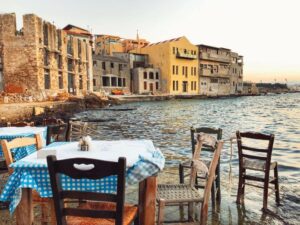
Crete’s evenings feel more regional and relaxed. In cities such as Chania and Heraklion, you dine along Venetian harbors, attend open-air summer festivals, or listen to live Greek music in traditional tavernas rather than large-scale clubs.
Plan your timing, inter-island transfers, and packing with care to avoid wasted hours and unnecessary costs. Greece rewards travelers who book early, move efficiently, and pack for heat, wind, and uneven terrain.
Visit from May to early June or September to early October for the best balance of weather and manageable crowds. Daytime temperatures usually range from 70–85°F (21–30°C), and you can explore the Acropolis or Knossos without peak summer congestion.
July and August bring hotter weather, often above 90°F (32°C), especially in Athens and Crete. Mykonos operates at full energy during these months, but hotel rates rise sharply and beaches fill early.
If you prefer swimming in warm water and lively nightlife, choose late June or September. Ferry schedules run frequently from late spring through early fall, which makes island connections smoother during these months.
Fly into Athens International Airport (ATH) and spend at least one full day in the city before moving on. Travel between Athens, Mykonos, and Crete by either ferry or short domestic flight.
High-speed ferries connect Athens (Piraeus port) to Mykonos in about 2.5–3 hours. Conventional ferries take closer to 4–5 hours but cost less. Book tickets in advance during summer, especially for morning departures.
You can reach Crete from Mykonos by connecting flight via Athens or by seasonal ferry routes. Flights between Athens and Crete (Heraklion or Chania) take about 50 minutes and often save several hours compared to ferry travel.
On each island, rent a compact car in Crete for flexibility. In Mykonos and Athens, rely on taxis, ride services, and local buses if you stay near main areas.
Pack for heat, sun exposure, and walking on stone surfaces. Bring lightweight clothing in breathable fabrics, but include one light layer for breezy evenings, especially on Mykonos where strong winds are common.
Essential items include:
Athens and Crete feature archaeological sites with uneven paths and marble steps that become slippery. Avoid smooth-soled sandals for sightseeing days.
If you plan to visit churches or monasteries in Crete, carry modest clothing that covers shoulders and knees. Keep cash in small denominations for taxis, beach bars, and smaller tavernas that may not always accept cards.